














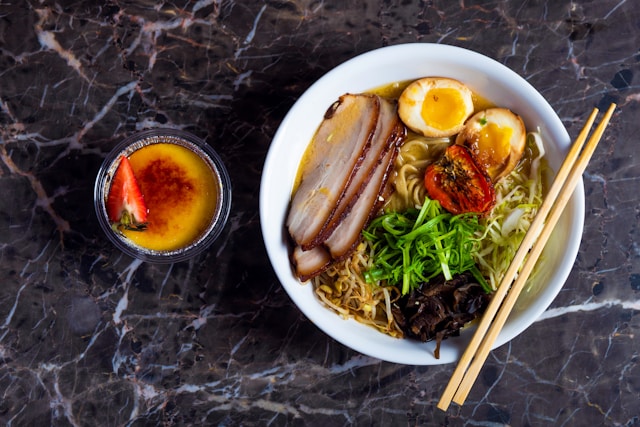
Ramen is proof that happiness can, in fact, arrive in a bowl.
What began as a humble noodle dish evolved into one of the world’s most obsessively loved foods—part comfort food, part culinary science experiment, and occasionally an excuse to consume an irresponsible amount of pork belly.
From Tokyo’s tiny ramen counters to New York’s buzzing noodle bars and London’s tonkotsu specialists, the global ramen scene is now enormous. Some restaurants have earned Michelin recognition, some have cult followings, and others simply make bowls so good that your diet quietly leaves the building.
1. Japanese Soba Noodles Tsuta — Tokyo, Japan
Founded: 2012
Address: 3-2-4 Tomigaya, Shibuya City, Tokyo, Japan
Noodles: House-made wheat noodles
Broth Style: Shoyu and shio, with dashi and aromatic oils
Toppings: Chashu, menma, egg, seasonal vegetables, truffle oil
Cost for a meal: ¥2,000–¥4,000
Chef: Yuki Onishi’s legacy; current kitchen operated by the Tsuta team
Instagram: @tsutagram
Website: Tsuta Official Website
Awards: Former Michelin-starred ramen pioneer
Tsuta didn’t merely serve ramen; it helped convince the fine-dining world to take ramen seriously. Founded by Yuki Onishi, the restaurant became the first ramen shop to receive a Michelin star in 2016. Its elegant shoyu ramen combines a complex broth with aromatic oils, truffle and carefully prepared toppings. The noodles are treated with the seriousness usually reserved for haute cuisine. Tsuta subsequently became an international brand, while its Tokyo presence remains enormously influential. In other words, this is ramen wearing a tiny Michelin-shaped crown—and somehow still managing to be wonderfully slurpable.
2. Nakiryu — Tokyo, Japan
Founded: 2013
Address: 2-34-4 Minamiotsuka, Toshima City, Tokyo, Japan
Noodles: Thin straight wheat noodles
Broth Style: Shoyu, tantanmen and chicken-based broths
Toppings: Minced pork, scallions, sesame, chili oil, chashu
Cost for a meal: ¥1,000–¥2,000
Chef: Kazutoshi Narita
Instagram: Nakiryu Instagram
Website: Nakiryu Website
Awards: Michelin Star (2017–2023); Michelin Bib Gourmand thereafter
Nakiryu became ramen royalty thanks largely to its extraordinary tantanmen. Chef Kazutoshi Narita created a bowl that balances sesame richness, spice, acidity and umami without allowing any single element to bully the others. The restaurant’s humble surroundings are almost comically understated compared with its reputation. Its Michelin star, awarded in 2017, placed a tiny ramen shop firmly on the international gastronomic map. Expect queues, limited seating and the possibility that your bowl disappears faster than you can photograph it. Honestly, the noodles probably deserve your attention more than Instagram does anyway.
3. Konjiki Hototogisu — Tokyo, Japan
Founded: 2006
Address: 2-2-4 Shinjuku, Shinjuku City, Tokyo, Japan
Noodles: House-made wheat noodles
Broth Style: Clam, pork and chicken-based shoyu
Toppings: Chashu, menma, porcini, clam, truffle and herbs
Cost for a meal: ¥1,500–¥3,000
Chef: Atsushi Yamamoto
Instagram: Konjiki Hototogisu Instagram
Website: Konjiki Hototogisu
Awards: Michelin Star, 2019–2021; Michelin Bib Gourmand thereafter
Konjiki Hototogisu is where ramen meets the sea, forest and an unusually sophisticated pantry. Chef Atsushi Yamamoto is famous for incorporating Hamaguri clams into the broth, creating an elegant seafood-meets-pork profile. Porcini mushrooms, truffle and aromatic oils add further layers. The restaurant received a Michelin star between 2019 and 2021, making it one of the most celebrated ramen destinations in Japan. It is particularly fascinating for diners who think ramen must mean pork-heavy tonkotsu. Here, the bowl is lighter, more nuanced and positively swimming with umami.
4. Ivan Ramen — Tokyo, Japan / New York, USA
Founded: 2006
Address: 25 Clinton Street, New York, NY, USA
Noodles: House-made rye and wheat noodles
Broth Style: Shio and shoyu
Toppings: Chashu, egg, bamboo shoots, scallions and seasonal toppings
Cost for a meal: $20–$35
Chef: Ivan Orkin
Instagram: @ivan_ramen
Website: Ivan Ramen
Awards: Multiple critical accolades; featured internationally through Chef’s Table
Ivan Orkin is the American chef who wandered into Japan’s ramen universe and somehow earned the locals’ respect—no small achievement. His original Tokyo shop opened in 2006, while the New York restaurant carries that rebellious spirit home. Ivan’s noodles are distinctive, often incorporating rye for extra texture and character. His bowls focus on deeply savoury shio and shoyu broths rather than relying solely on pork-bone richness. The result is ramen with personality: intensely Japanese in technique, unmistakably individual in execution, and just quirky enough to make traditionalists raise an eyebrow before ordering another bowl.
5. MENSHO Tokyo — Tokyo, Japan
Founded: 2005
Address: MENSHO locations across Tokyo; flagship group founded in Tokyo
Noodles: House-milled, house-made noodles
Broth Style: Lamb, chicken, seafood and contemporary paitan styles
Toppings: Wagyu, lamb, chashu, vegetables, eggs and seasonal ingredients
Cost for a meal: ¥1,500–¥3,500
Chef: Tomoharu Shono
Instagram: MENSHO Instagram
Website: MENSHO Official Website
Awards: International ramen accolades
Tomoharu Shono founded Menya Shono in 2005 and built MENSHO into one of Japan’s most experimental ramen groups. The company’s philosophy revolves around creating what ramen could become rather than simply repeating what it has always been. Expect house-milled flour, unusual broths, premium ingredients and bowls that occasionally wander into genuinely avant-garde territory. MENSHO Tokyo also helped establish the brand internationally, including in San Francisco and other markets. This is ramen for people who enjoy tradition but occasionally want someone to throw tradition into a blender and see what happens.
6. AFURI — Tokyo, Japan
Founded: 1995; AFURI restaurant brand launched in 2003
Address: Multiple Tokyo locations; AFURI Ebisu, Shibuya, Tokyo
Noodles: Fine, house-developed wheat noodles
Broth Style: Chicken-dashi shio with yuzu
Toppings: Charred chashu, bamboo shoots, egg, scallions, yuzu
Cost for a meal: ¥1,200–¥2,000
Chef: AFURI culinary team / Hiroto Nakamura
Instagram: AFURI Instagram
Website: AFURI Official Website
Awards: International expansion and numerous culinary accolades
AFURI is the ramen world’s answer to the question, “Can ramen be refreshing?” Its signature yuzu shio ramen combines delicate chicken and dashi broth with bright Japanese citrus. The concept began with ZUND-BAR in Kanagawa before AFURI opened its first Tokyo shop in Ebisu in 2003. The resulting bowl is lighter and more aromatic than heavyweight tonkotsu ramen. AFURI has since expanded internationally, taking its clean, modern aesthetic with it. If traditional ramen is a warm hug, AFURI is that same hug after someone opened a window and added yuzu.
AFURI’s corporate history confirms its 1995 establishment and the opening of AFURI Ebisu in 2003.
7. Ippudo — Fukuoka, Japan / Worldwide
Founded: 1985
Address: Multiple locations worldwide; Fukuoka roots in Hakata
Noodles: Thin, straight Hakata noodles
Broth Style: Tonkotsu
Toppings: Chashu, kikurage mushrooms, scallions, egg, bamboo shoots
Cost for a meal: ¥1,000–¥2,500 / US$15–$30 internationally
Chef: Shigemi Kawahara
Instagram: Ippudo Instagram
Website: Ippudo Official Website
Awards: Numerous international restaurant awards
Ippudo helped turn Hakata-style tonkotsu ramen into a global phenomenon. Founded in Fukuoka in 1985 by Shigemi Kawahara, the restaurant became known for silky pork broth, ultra-thin noodles and an approach that made traditional ramen accessible to international diners. The noodles cook quickly, so ordering “hard” or kata is practically a rite of passage. Ippudo’s global locations preserve the basic DNA while adapting to local tastes. It is one of the easiest entries into serious ramen—and once you’re hooked, congratulations: your search history is about to become extremely noodle-heavy.
8. Ichiran — Fukuoka, Japan / Worldwide
Founded: 1960
Address: Multiple locations; flagship roots in Fukuoka, Japan
Noodles: Thin, straight Hakata noodles
Broth Style: Tonkotsu
Toppings: Signature red secret sauce, scallions, pork slices
Cost for a meal: ¥1,000–¥2,000
Chef: Ichiran culinary team
Instagram: Ichiran Instagram
Website: Ichiran Official Website
Awards: Major Japanese and international brand recognition
Ichiran turned eating ramen alone into an actual restaurant concept. Its famous individual booths allow diners to focus exclusively on the bowl, free from conversation, eye contact or anyone asking for “just one bite.” The tonkotsu broth is creamy and deeply savoury, while diners customise noodle firmness, richness, spice and toppings. The signature red sauce adds heat and complexity. Originating in Fukuoka, Ichiran became an international ramen icon. It is essentially introvert-friendly fine dining—except your waiter may communicate through a tiny curtain and your main course costs considerably less.
9. Ramen Nagi — Tokyo, Japan
Founded: 2004
Address: Multiple locations; Shinjuku Golden Gai, Tokyo
Noodles: Thick/medium wheat noodles depending on bowl
Broth Style: Tonkotsu, sardine niboshi and creative regional broths
Toppings: Chashu, scallions, egg, seaweed, bamboo shoots
Cost for a meal: ¥1,000–¥2,000
Chef: Satoshi Ikuta
Instagram: Ramen Nagi Instagram
Website: Ramen Nagi
Awards: International ramen awards and strong global following
Ramen Nagi is especially beloved for its use of niboshi—dried sardines—to create an intensely savoury, fish-forward broth. Chef Satoshi Ikuta began developing his ramen in Tokyo’s Golden Gai, an area better known for tiny bars than giant culinary reputations. The resulting bowls are bold, funky and unapologetically umami-heavy. Ramen Nagi later expanded throughout Japan and overseas. Its famous “Nagi” approach proves that seafood ramen doesn’t need to whisper politely in the background. Sometimes the sardines should simply grab the microphone and sing.
10. Fuunji — Tokyo, Japan
Founded: 2007
Address: 2-14-3 Yoyogi, Shibuya City, Tokyo, Japan
Noodles: Thick, chewy house-developed wheat noodles
Broth Style: Chicken and fish tsukemen broth
Toppings: Chashu, menma, scallions, seaweed, egg
Cost for a meal: ¥1,000–¥2,000
Chef: Miyazawa Atsushi
Instagram: Fuunji Instagram
Website: Fuunji Official Website
Awards: Major Tokyo ramen rankings and cult following
Fuunji is the place to visit when you want your noodles to arrive separately from your broth—and you want that broth to be ridiculously concentrated. Its signature tsukemen features thick, springy noodles dipped into a rich chicken-and-fish soup. The contrast between chewy noodles and intensely flavoured dipping broth is addictive. Located near Shinjuku, Fuunji has built a reputation without relying on flashy décor or culinary theatrics. There is basically one star here: the noodle. Everything else is supporting cast, including your self-control.
The restaurant’s official site lists its Shinjuku flagship at 2-14-3 Yoyogi and confirms its signature noodle-focused menu.
11. Ginza Hachigo — Tokyo, Japan
Founded: 2018
Address: 3-14-2 Ginza, Chuo City, Tokyo, Japan
Noodles: Fine wheat noodles
Broth Style: Chicken and duck consommé-style ramen
Toppings: Chashu, bamboo shoots, leek, seasonal garnish
Cost for a meal: ¥1,500–¥2,500
Chef: Yasuhiko Sakamoto
Instagram: Ginza Hachigo Instagram
Website: Ginza Hachigo
Awards: Michelin Bib Gourmand
Ginza Hachigo approaches ramen almost like French culinary technique wandered into Tokyo wearing sneakers. The broth is inspired by consommé, using chicken, duck, seafood and carefully selected ingredients to create remarkable clarity and depth. Unlike many ramen shops, the kitchen deliberately avoids the conventional tare-heavy approach, allowing the broth itself to carry the flavour. The result is elegant without becoming precious. It is the sort of bowl that makes you pause between slurps and wonder whether ramen has secretly acquired a culinary degree.
12. Kanada-Ya — London, UK
Founded: 2009 in Japan; London location opened 2014
Address: 64 St Giles High Street, London WC2H 8LE
Noodles: Fresh wheat noodles made in-house
Broth Style: Tonkotsu with pork and chicken bones
Toppings: Chashu pork, spring onion, wood-ear fungus, yuzu-shoyu
Cost for a meal: £15–£25
Chef: Kazuhiro Kanada
Instagram: Kanada-Ya Instagram
Website: Kanada-Ya Official Website
Awards: Multiple London ramen accolades
Kanada-Ya travelled from Yukuhashi in Kyushu to London and promptly started making locals question why they had been eating sandwiches for lunch. Founded by Kazuhiro Kanada in 2009, the brand opened its first London restaurant in 2014. Its signature tonkotsu uses pork bones simmered for around 18 hours, producing a rich but balanced broth. Fresh noodles are made using Japanese machinery and cooked to order. The London menu combines traditional Hakata-style technique with a few city-specific touches. Basically, Kyushu packed a suitcase, moved to London and brought its soup pot.
Kanada-Ya confirms its Japanese founding in 2009, London opening in 2014 and long-simmered tonkotsu method.
13. Shoryu Ramen — London, UK
Founded: 2012
Address: Multiple London locations; Soho, Regent Street, Carnaby and others
Noodles: Thin Hakata-style noodles
Broth Style: Tonkotsu
Toppings: Chashu, egg, kikurage, spring onion, nori
Cost for a meal: £15–£25
Chef: Tak Tokumine / Shoryu culinary team
Instagram: Shoryu Ramen Instagram
Website: Shoryu Ramen Official Website
Awards: Multiple London restaurant and food awards
Shoryu brought Hakata ramen culture to the UK with serious enthusiasm. Its tonkotsu broth is creamy, porky and deeply comforting, while thin noodles provide the classic Hakata texture. The brand has expanded across London and beyond, but retains its Japanese ramen-bar DNA. It is particularly good for diners who want a full ramen experience rather than simply a bowl of noodles: gyoza, buns, sake and desserts frequently join the party. Shoryu is proof that London weather can be terrible and still be defeated by a steaming bowl of pork broth.
Shoryu’s current locations include multiple London restaurants as well as sites in Oxford and Manchester.
14. Bone Daddies — London, UK
Founded: 2012
Address: Multiple London locations
Noodles: Straight wheat noodles
Broth Style: Tonkotsu, chicken and miso variations
Toppings: Chashu, egg, nori, beansprouts, spring onion, corn
Cost for a meal: £15–£25
Chef: Ross Shonhan
Instagram: Bone Daddies Instagram
Website: Bone Daddies
Awards: Multiple UK restaurant awards and industry recognition
Bone Daddies doesn’t exactly sound like the sort of place where delicate broth poetry happens. Yet underneath the punk-rock branding is serious ramen technique. Founded by Ross Shonhan, the London group helped make ramen a mainstream dining choice in Britain. Its bowls typically feature rich broths, springy noodles, chashu and generous toppings, with the menu happily wandering into spicy territory. The atmosphere is deliberately energetic, loud and informal. Think traditional Japanese ramen filtered through London’s late-night food culture—and then turned up several notches.
15. Tonchin — New York, USA
Founded: 1992 in Japan; New York location opened 2016
Address: 13 W 36th Street, New York, NY 10018
Noodles: House-made wheat noodles
Broth Style: Tokyo tonkotsu, chicken paitan and seasonal broths
Toppings: Chashu, egg, scallions, menma, mushrooms
Cost for a meal: $20–$35
Chef: Kazushige Nozawa / Tonchin culinary team
Instagram: Tonchin Instagram
Website: Tonchin USA
Awards: Michelin Bib Gourmand
Tonchin’s New York arrival helped push ramen further into the city’s serious restaurant conversation. The family-owned Japanese brand dates back to 1992 and now combines traditional technique with contemporary presentation. Its signature Tokyo tonkotsu broth is rich but comparatively refined, while house-made noodles provide plenty of bounce. Seasonal bowls keep the menu moving beyond the classics. The Midtown restaurant also has a stylish, cocktail-friendly atmosphere, meaning you can go from “I just want ramen” to “Why am I suddenly ordering a second cocktail?” remarkably quickly.
Current listings identify Tonchin’s New York restaurant at 13 W 36th Street and its official social account as @tonchinus.
16. Nakamura — New York, USA
Founded: 2014
Address: 172 Delancey Street, New York, NY
Noodles: House-made wheat noodles
Broth Style: Chicken, pork and seafood-based contemporary broths
Toppings: Chashu, egg, scallions, bamboo shoots, vegetables
Cost for a meal: $20–$35
Chef: Shigetoshi Nakamura
Instagram: Nakamura NYC Instagram
Website: Nakamura NYC
Awards: International ramen recognition
Chef Shigetoshi Nakamura is one of Japan’s most respected ramen craftsmen, and his New York restaurant brings decades of noodle experimentation to the Lower East Side. Nakamura is particularly admired for unusual broth combinations, balancing seafood, poultry and pork without letting the bowl become confused about its identity. The restaurant is compact, focused and refreshingly serious about noodles. This is not ramen designed merely to photograph well beside a Brooklyn mural. It is ramen designed to make you stop talking for approximately eight minutes because your mouth has better things to do.
17. Momofuku Noodle Bar — New York, USA
Founded: 2004
Address: New York City; original East Village location established the brand
Noodles: Wheat ramen noodles
Broth Style: Contemporary pork, chicken and seasonal broths
Toppings: Pork belly, egg, scallions, vegetables and seasonal toppings
Cost for a meal: $20–$40
Chef: David Chang
Instagram: Momofuku Instagram
Website: Momofuku
Awards: James Beard recognition and major culinary accolades
Momofuku Noodle Bar helped ignite New York’s modern ramen obsession in the early 2000s. David Chang’s approach was never about slavishly copying traditional ramen shops; instead, he used ramen as a playground for American ingredients, Korean influences and creative cooking. The original concept became a major part of the Momofuku restaurant empire and influenced countless chefs. Its significance extends beyond any single bowl: Momofuku helped convince Western diners that ramen could be serious restaurant food while still being fun, messy and unapologetically delicious.
18. Tsujita LA Artisan Noodle — Los Angeles, USA
Founded: 2011 in Los Angeles
Address: 2057 Sawtelle Boulevard, Los Angeles, CA 90025
Noodles: Thick, chewy wheat noodles
Broth Style: Rich pork, chicken and seafood tsukemen broth
Toppings: Chashu, menma, egg, nori, scallions
Cost for a meal: $18–$30
Chef: Tsujita culinary team
Instagram: Tsujita Instagram
Website: Tsujita LA
Awards: Major Los Angeles ramen accolades
Tsujita is one of Los Angeles’ essential ramen destinations, especially for tsukemen fans. The noodles are thick and satisfyingly chewy, while the dipping broth is deliberately concentrated, packed with pork, chicken and seafood flavour. The Sawtelle restaurant became famous for queues long enough to make you question whether noodles really require this much commitment. They do. Tsujita’s popularity helped establish Sawtelle as one of America’s major Japanese food neighbourhoods. Come hungry, embrace the wait and remember: impatience has never improved a bowl of ramen.
The official restaurant page currently lists the Sawtelle address as 2057 Sawtelle Boulevard.
19. Daikokuya — Los Angeles, USA
Founded: 2002
Address: 327 E 1st Street, Los Angeles, CA 90012
Noodles: Thin wheat noodles
Broth Style: Pork and chicken tonkotsu-style broth
Toppings: Chashu, egg, bamboo shoots, bean sprouts, scallions
Cost for a meal: $20–$30
Chef: Daikokuya culinary team
Instagram: Daikokuya Instagram
Website: Daikokuya
Awards: Long-standing Little Tokyo favourite
Daikokuya is practically part of the architecture of Los Angeles’ Little Tokyo ramen scene. The restaurant became famous for its rich signature broth, tender chashu and generous toppings. The atmosphere is casual, bustling and unapologetically hungry. It is the kind of place where the queue becomes part of the experience and everyone inside appears to have made the same excellent decision. Daikokuya may not attempt the avant-garde theatrics of some modern ramen shops, but it doesn’t need to. Sometimes you simply want a deep bowl of comforting noodles that knows exactly what it is.
20. Ramen Tatsu-ya — Austin, USA
Founded: 2012
Address: Multiple Austin locations; original Austin shop established the brand
Noodles: House-made wheat noodles
Broth Style: Tonkotsu, chicken and spicy variations
Toppings: Chashu, egg, wood-ear mushrooms, scallions, bamboo shoots
Cost for a meal: $15–$25
Chef: Tatsu Aikawa and Takuya Matsumoto
Instagram: Ramen Tatsu-ya Instagram
Website: Ramen Tatsu-ya
Awards: James Beard Award finalist and extensive Texas food recognition
Ramen Tatsu-ya is what happens when two ramen obsessives decide Texas needs more broth. Founded by Tatsu Aikawa and Takuya Matsumoto, the Austin group developed a loyal following with rich tonkotsu, creative toppings and a distinctly Texan personality. The menu doesn’t pretend Texas and Japan are identical culinary worlds—and that’s precisely the fun. The restaurant helped establish Austin as a serious ramen city while proving that a hot bowl of pork broth can thrive even where barbecue is practically a civic religion.
21. MENSHO San Francisco — San Francisco, USA
Founded: 2018
Address: 4301 Geary Boulevard, San Francisco, CA
Noodles: House-milled, house-made noodles
Broth Style: Chicken paitan, wagyu, seafood and seasonal broths
Toppings: A5 wagyu, chicken, egg, vegetables, mushrooms and herbs
Cost for a meal: $20–$35
Chef: Tomoharu Shono
Instagram: MENSHO San Francisco Instagram
Website: MENSHO
Awards: Michelin Guide recognition / major Bay Area acclaim
MENSHO San Francisco is where Tomoharu Shono’s experimental ramen philosophy gets a Pacific-coast makeover. The restaurant is particularly known for combining Japanese technique with premium American ingredients, including A5 wagyu. Its house-milled flour and freshly produced noodles give the bowls serious textural depth. Meanwhile, broths range from intensely creamy chicken paitan to more adventurous seasonal creations. This isn’t the sort of ramen you order because you’re cold and broke. This is ramen you order because someone convinced you that noodles can have a luxury budget—and unfortunately, they were correct.
MENSHO’s official history records Tomoharu Shono as founder and traces the group’s first US location to 2016.
22. Marutama Ra-men — Vancouver, Canada
Founded: 2001
Address: Multiple locations in Vancouver and internationally
Noodles: Thin, handmade wheat noodles
Broth Style: Chicken paitan
Toppings: Chicken slices, egg, seaweed, scallions, leafy greens
Cost for a meal: C$18–C$30
Chef: Marutama culinary team
Instagram: Marutama Ramen Instagram
Website: Marutama Ramen
Awards: Strong Canadian and international ramen following
Marutama offers a refreshing alternative to pork-heavy ramen. Its signature chicken paitan broth is creamy, savoury and remarkably smooth, providing the richness of tonkotsu without relying on pork bones. The restaurant became particularly popular in Vancouver, where its approachable style fits beautifully into the city’s enormous Japanese food culture. Toppings remain relatively restrained, allowing the broth and noodles to dominate. If you believe ramen must be a pork-powered flavour bomb, Marutama is here to politely—and deliciously—ask you to reconsider.
23. Ramen Danbo — Fukuoka, Japan / Vancouver, Canada
Founded: 2000
Address: Multiple locations internationally; Hakata roots in Fukuoka
Noodles: Thin, straight Hakata noodles
Broth Style: Tonkotsu
Toppings: Chashu, scallions, wood-ear mushrooms, egg, nori
Cost for a meal: C$18–C$30 / ¥1,000–¥2,000
Chef: Danbo culinary team
Instagram: Ramen Danbo Instagram
Website: Ramen Danbo
Awards: International ramen recognition
Ramen Danbo takes Hakata tonkotsu ramen and delivers it with almost military precision. Diners can customise noodle firmness, broth richness and other details, creating a highly personalised bowl. The noodles are thin, the pork broth is rich and the toppings are deliberately classic. Its expansion into Vancouver made Danbo a particularly recognizable name among North American ramen fans. There is nothing unnecessarily complicated about the experience: order, customise, slurp, sweat slightly, reconsider your life choices, order another bowl.
24. Gogyo — Kyoto / Tokyo / Japan
Founded: 2001
Address: Multiple Japanese locations
Noodles: Wheat ramen noodles
Broth Style: Charred/blackened burnt-miso and shoyu
Toppings: Chashu, egg, scallions, bamboo shoots, seaweed
Cost for a meal: ¥1,500–¥3,000
Chef: Gogyo culinary team
Instagram: Gogyo Instagram
Website: Gogyo
Awards: International restaurant recognition
Gogyo’s defining trick is gloriously dramatic: it burns its miso and shoyu before building the ramen broth. The result is dark, smoky and deeply savoury, with a flavour profile unlike conventional ramen. The technique gives the soup an almost campfire-like character while retaining the comforting architecture of noodles, broth and toppings. Gogyo is ideal for diners who have already explored standard shoyu and tonkotsu and want something considerably louder. Think of it as ramen deciding subtlety is overrated and arriving at dinner wearing sunglasses.
25. Gumshara Ramen — Sydney, Australia
Founded: 2009
Address: 500 George Street, Sydney, NSW, Australia
Noodles: Straight wheat noodles
Broth Style: Extremely rich tonkotsu
Toppings: Chashu, egg, bamboo shoots, scallions, seaweed
Cost for a meal: A$20–A$30
Chef: Gumshara culinary team
Instagram: Gumshara Ramen Instagram
Website: Gumshara Ramen
Awards: Major Australian ramen recognition
Gumshara has earned a cult reputation in Sydney for one very simple reason: its tonkotsu broth does not believe in moderation. Pork bones are cooked into an intensely creamy, concentrated soup that feels less like broth and more like a delicious edible blanket. The restaurant is tucked inside Sydney’s Chinatown precinct, making it an ideal destination after a long afternoon of eating your way around the neighbourhood. Gumshara is not shy, delicate or particularly interested in pretending to be light. It is ramen with the volume knob permanently stuck on maximum.
The beauty of ramen is that there isn’t one “correct” bowl.
Hakata ramen celebrates thin noodles and creamy tonkotsu. Tokyo ramen often leans toward shoyu and layered dashi. Tsukemen separates the noodles from its concentrated dipping broth. Tantanmen brings sesame and spice into the equation. Modern ramen chefs, meanwhile, are experimenting with lamb, wagyu, seafood, truffle, yuzu, porcini and practically anything else that can survive a hot bowl.
The restaurants above represent that spectrum—from tiny Tokyo counters to internationally recognised ramen groups.
And while Michelin stars and awards can help identify culinary excellence, ramen has another, considerably less scientific measurement:
Did you finish the broth?
If the answer is yes, congratulations. You have probably found good ramen.