










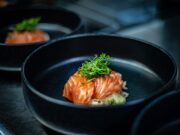


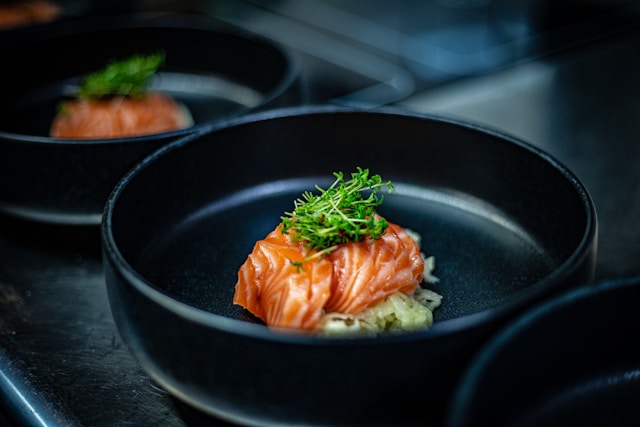
Sashimi is proof that sometimes the less you do to food, the more terrifyingly good it can become. No batter. No frying. No hiding behind a mountain of sauce. Just impeccably sourced fish, a razor-sharp knife, and a chef silently judging whether you deserve the next slice.
From Tokyo’s legendary sushi counters to New York’s modern omakase rooms and Hong Kong’s Edomae temples, these are 20 of the best sashimi places around the world for travelers who like their seafood fresh, precise and unapologetically raw.
1. Sukiyabashi Jiro — Tokyo, Japan
History: Founded by Jiro Ono in 1965, this tiny Ginza institution became one of Japan’s most famous sushi restaurants. Its current main shop remains in the basement location where it began. The restaurant’s official history records its Edomae lineage and decades of refinement.
Year founded: 1965
Address: Tsukamoto Sogyo Building B1F, 4-2-15 Ginza, Chuo-ku, Tokyo, Japan
Fish used: Chutoro, otoro, tuna, sea bream, kohada, squid, seasonal white fish
Slicing technique: Edomae-style precision cuts, adjusted to the fish’s texture and fat
Accompaniments: Shiso, grated daikon, pickled ginger
Condiments: House soy, wasabi, nikiri
Cost for two: Approx. ¥80,000+
Instagram: @sukiyabashijiro
Website: Official website
Sukiyabashi Jiro is less a restaurant and more a culinary pilgrimage. The atmosphere is famously minimalist, allowing the fish and knife work to hog the spotlight. Expect immaculate Edomae technique, carefully tempered ingredients and a meal where every slice feels choreographed. It is not cheap, casual or particularly interested in your selfie. Frankly, your sashimi deserves your attention anyway.
2. Sushi Yoshitake — Tokyo, Japan
History: Sushi Yoshitake traces its roots to 2004, when Masahiro Yoshitake opened in Roppongi. It moved to Ginza in 2009 and later to its present Ginza 7-chome location in 2019. The restaurant earned three Michelin stars for 12 consecutive years from 2012 through 2023.
Year founded: 2004
Address: Brown Place 9F, 7-8-13 Ginza, Chuo-ku, Tokyo, Japan
Fish used: Tuna, sea urchin, sea bream, amberjack, seasonal fish
Slicing technique: Delicate diagonal and hira-zukuri cuts
Accompaniments: Seasonal vegetables, shiso, pickles
Condiments: Wasabi, nikiri soy, citrus accents
Cost for two: Approx. ¥60,000–¥90,000
Website: Sushi Yoshitake
Sushi Yoshitake approaches sashimi like a jeweller approaches diamonds: carefully, patiently and with absolutely no interest in making anything look ordinary. Fish is selected for seasonality and treated with remarkable restraint. The result is elegant rather than flashy, with textures changing dramatically from one slice to the next. It is Tokyo precision without culinary shouting from the rooftops.
3. Sushi Saito — Tokyo, Japan
History: Sushi Saito became one of Tokyo’s most celebrated sushi counters under chef Takashi Saito. Its reputation rests heavily on meticulous sourcing, rice preparation and knife technique.
Year founded: 2007
Address: Roppongi, Minato-ku, Tokyo, Japan
Fish used: Chutoro, otoro, akami, kanpachi, madai, kohada
Slicing technique: Hira-zukuri and carefully angled cuts tailored to individual fish
Accompaniments: Ginger, seasonal vegetables
Condiments: Nikiri, wasabi, house soy
Cost for two: Approx. ¥60,000–¥100,000+
Instagram: Instagram profile
Website: Sushi Saito
Sushi Saito is where tiny details become gigantic flavour. The fish receives obsessive attention, from sourcing and ageing to cutting and seasoning. Sashimi arrives looking almost suspiciously simple, which is precisely the point. One bite reveals why serious sushi lovers make pilgrimages here: pristine texture, concentrated umami and knife work so clean you might briefly reconsider your own kitchen skills.
4. Sushi Nakazawa — New York City, USA
History: Chef Daisuke Nakazawa gained international attention through his apprenticeship with Jiro Ono before opening Sushi Nakazawa in New York.
Year founded: 2013
Address: 23 Commerce Street, New York, NY 10014, USA
Fish used: Bluefin tuna, sea bream, uni, salmon, mackerel, seasonal Japanese fish
Slicing technique: Edomae hira-zukuri and usu-zukuri
Accompaniments: Ginger, seasonal garnishes
Condiments: Nikiri, soy, wasabi
Cost for two: Approx. US$400–US$700
Instagram: @sushinakazawa
Website: Sushi Nakazawa
Sushi Nakazawa brings serious Tokyo technique to Manhattan’s West Village. The counter experience revolves around progression: delicate fish first, richer pieces later, with temperature, seasoning and texture constantly shifting. The sashimi is beautifully restrained, letting premium seafood do the talking. It is sophisticated, intimate and wonderfully theatrical without turning dinner into a Broadway production.
5. Masa — New York City, USA
History: Chef Masa Takayama established Masa as one of New York’s most ambitious Japanese restaurants. Today it operates at The Shops at Columbus Circle, where its highly refined omakase showcases seasonal Japanese ingredients.
Year founded: 2004
Address: The Shops at Columbus Circle, 10 Columbus Circle, 4th Floor, New York, NY 10019
Fish used: Bluefin tuna, uni, Japanese fluke, snapper, seasonal seafood
Slicing technique: Precision hira-zukuri and controlled thickness variations
Accompaniments: Shiso, grated daikon, seasonal garnishes
Condiments: House soy, wasabi, citrus
Cost for two: Approx. US$1,000–US$1,500+
Instagram: Masa Instagram
Website: Masa NYC
Masa is where sashimi puts on a tuxedo. Chef Masa Takayama’s approach emphasizes purity, seasonality and obsessive precision, turning each piece into a miniature study of texture and flavour. Expect pristine seafood, immaculate presentation and a price tag that may cause your wallet to leave the building before you do. Fortunately, the fish is considerably more welcoming.
6. Sushi Yasuda — New York City, USA
History: Sushi Yasuda opened in late 1999, founded by Naomichi Yasuda, Shige Akimoto and Scott Rosenberg around a philosophy of classical sushi craftsmanship. It remains at 204 East 43rd Street.
Year founded: 1999
Address: 204 East 43rd Street, New York, NY 10017, USA
Fish used: Tuna, salmon, yellowtail, mackerel, snapper and seasonal seafood
Slicing technique: Traditional Japanese cuts emphasizing natural grain
Accompaniments: Ginger, seasonal vegetables
Condiments: Soy, wasabi, ponzu
Cost for two: Approx. US$200–US$300
Instagram: @sushiyasuda
Website: Sushi Yasuda
Sushi Yasuda has spent decades proving that excellent sashimi doesn’t need fireworks. The philosophy is classical and ingredient-driven, with carefully sourced fish sliced to showcase its individual character. Midtown location aside, the room feels decidedly Japanese in spirit. Come for the purity, stay for the tuna, and resist the urge to ask whether ketchup is an acceptable condiment.
7. Sushi Tetsu — London, UK
History: Sushi Tetsu is an intimate London sushi counter founded by chef Toru Takahashi and his wife Harumi. The restaurant has become one of London’s cult destinations for traditional Japanese sushi and sashimi.
Year founded: 2012
Address: 72A Commercial Street, London E1 6LT, UK
Fish used: Tuna, sea bream, mackerel, scallop, uni and seasonal fish
Slicing technique: Edomae-inspired hira-zukuri and fine diagonal cuts
Accompaniments: Pickled ginger, seasonal garnishes
Condiments: Soy, wasabi, ponzu
Cost for two: Approx. £250–£400
Instagram: @sushitetsu_london
Website: Sushi Tetsu
Tiny, intimate and famously serious, Sushi Tetsu delivers the sort of sashimi that makes conversation temporarily unnecessary. The menu follows the rhythm of the day’s best ingredients, while precise slicing keeps every fish distinctive. London’s restaurant scene can be loud; Sushi Tetsu is the quiet kid who somehow gets the highest exam score. Small room, enormous reputation, excellent seafood.
8. Sushi Kanesaka — London, UK
History: Led by Tokyo Edomae master Shinji Kanesaka, the London restaurant opened inside 45 Park Lane and earned a Michelin star within months. It offers an intimate 13-seat experience.
Year founded: 2023
Address: 45 Park Lane, London W1K 1PN, UK
Fish used: Bluefin tuna, sea bream, kohada, uni and seasonal Japanese fish
Slicing technique: Classical Edomae hira-zukuri
Accompaniments: Ginger, seasonal pickles
Condiments: Nikiri, wasabi, soy
Cost for two: Approx. £500–£800
Instagram: @45parklane
Website: Sushi Kanesaka at 45 Park Lane
Sushi Kanesaka is London’s answer to the question, “What happens when Ginza technique takes a holiday?” The answer is spectacular sashimi in a hushed, luxurious setting. Chef Shinji Kanesaka brings rigorous Edomae craftsmanship, while seasonal fish receives the kind of knife work that makes each slice look engineered. Elegant, expensive and delightfully serious about raw seafood.
9. Sushi Shikon — Hong Kong
History: Sushi Shikon opened in Hong Kong in 2012 as part of the Yoshitake lineage. It has maintained three Michelin stars since 2014 and operates an intimate eight-seat hinoki counter.
Year founded: 2012
Address: 7/F, The Landmark Mandarin Oriental, 15 Queen’s Road Central, Hong Kong
Fish used: Tuna, sea bream, kohada, uni, botan ebi and seasonal Japanese seafood
Slicing technique: Edomae hira-zukuri with ageing adapted to each fish
Accompaniments: Pickled ginger, seasonal vegetables
Condiments: Nikiri, wasabi, soy
Cost for two: Approx. HK$8,800–HK$10,000+
Instagram: @sushishikon
Website: Sushi Shikon
Sushi Shikon is tiny enough to make you feel like you’ve discovered a secret, except Michelin has already told everyone about it. The eight-seat counter focuses on Edomae tradition, ageing fish to deepen flavour before slicing it with surgical precision. Seafood arrives from Japan, while the menu changes according to season and morning deliveries. Basically, your dinner has a schedule.
10. Sushi Ginza Onodera — Tokyo, Japan
History: Ginza Onodera was created with the ambition of taking traditional Japanese cuisine from Ginza to the world. The group now operates restaurants internationally, including Tokyo, Los Angeles, Hawaii and other locations.
Year founded: 2013
Address: 5-14-14 Ginza, Chuo-ku, Tokyo, Japan
Fish used: Bluefin tuna, sea bream, uni, amberjack, seasonal fish
Slicing technique: Traditional Edomae cuts with modern precision
Accompaniments: Ginger, shiso, seasonal garnishes
Condiments: Nikiri, soy, wasabi
Cost for two: Approx. ¥40,000–¥70,000
Instagram: @ginzaonodera
Website: Ginza Onodera
Ginza Onodera takes the traditional sushi-counter ritual and gives it global ambitions. Its sashimi selection rotates with seasonality, emphasizing pristine Japanese seafood, clean knife work and balanced seasoning. The atmosphere is polished without becoming stiff, while the fish remains the headline act. If sashimi had a corporate headquarters, this would probably have excellent stationery and very expensive stationery.
11. Sushi Ginza Onodera — Los Angeles, USA
History: The Los Angeles branch brought the Ginza Onodera concept to West Hollywood, extending the brand’s Edomae-style sushi philosophy to Southern California. The restaurant operates a compact 16-seat counter.
Year founded: 2016
Address: 609 La Cienega Boulevard, West Hollywood, CA 90069, USA
Fish used: Bluefin tuna, sea bream, kanpachi, uni, seasonal Japanese seafood
Slicing technique: Hira-zukuri and fine diagonal cuts
Accompaniments: Shiso, ginger, seasonal garnishes
Condiments: Soy, wasabi, nikiri
Cost for two: Approx. US$500–US$800
Instagram: @sushiginzaonoderala
Website: Sushi Ginza Onodera Los Angeles
Hollywood has plenty of things pretending to be authentic; Sushi Ginza Onodera doesn’t need to pretend. The Los Angeles counter brings serious Ginza-style craftsmanship, carefully selected Japanese seafood and precise sashimi cuts to West Hollywood. The menu feels refined rather than flashy, with the fish providing its own special effects. Bring an appetite, not a movie script.
12. Sushi Inaba — Torrance, USA
History: Sushi Inaba is a highly regarded South Bay sushi destination known for its intimate omakase format. Its current location is in Torrance, California, and the restaurant reopened in 2026 following a temporary closure.
Year founded: 2014
Address: 20918 Hawthorne Boulevard, Torrance, CA, USA
Fish used: Bluefin tuna, Japanese sea bream, mackerel, uni, seasonal seafood
Slicing technique: Fine Edomae-style cuts
Accompaniments: Ginger, seasonal vegetables
Condiments: Soy, wasabi, citrus ponzu
Cost for two: Approx. US$300–US$500
Instagram: Sushi Inaba Instagram
Website: Sushi Inaba
Sushi Inaba is the kind of place where seafood obsessives quietly nod at each other across the counter. Its sashimi focuses on premium ingredients, delicate seasoning and textural contrast. The intimate setting keeps attention firmly on the chef and fish. Torrance may not be the first city that comes to mind for elite Japanese dining, which is precisely why food nerds love it.
13. Sushi Yoshizumi — San Mateo, USA
History: Chef Akira Yoshizumi opened this intimate sushi counter in the San Francisco Bay Area, earning a reputation for Edomae-style sushi built around carefully sourced seafood.
Year founded: 2015
Address: 325 E 4th Avenue, San Mateo, CA 94401, USA
Fish used: Bluefin tuna, uni, snapper, mackerel and seasonal Japanese fish
Slicing technique: Traditional hira-zukuri and controlled thickness cuts
Accompaniments: Ginger, shiso and seasonal garnishes
Condiments: Nikiri, wasabi, soy
Cost for two: Approx. US$500–US$700
Instagram: Sushi Yoshizumi Instagram
Website: Sushi Yoshizumi
Sushi Yoshizumi treats the sushi counter like a tiny laboratory for seafood perfection. Fish is selected for season, maturity and flavour, then sliced with an almost obsessive eye for texture. The experience is intimate, focused and distinctly Japanese despite being thousands of miles from Tokyo. If your idea of dinner involves quietly studying every translucent millimetre of fish, welcome home.
14. Sushi Ginza Onodera — Hawaii, USA
History: The Hawaii outpost extends the Ginza Onodera brand’s Japanese sushi tradition to Honolulu. The restaurant combines imported Japanese seafood with the relaxed geography of the islands.
Year founded: 2022
Address: 808 Kapahulu Avenue, Honolulu, HI 96816, USA
Fish used: Bluefin tuna, uni, kanpachi, sea bream and seasonal fish
Slicing technique: Edomae hira-zukuri
Accompaniments: Ginger, shiso, seasonal vegetables
Condiments: Nikiri, soy, wasabi
Cost for two: Approx. US$400–US$650
Instagram: @sushiginzaonoderahawaii
Website: Sushi Ginza Onodera Hawaii
Imagine Tokyo precision wearing a Hawaiian shirt. Sushi Ginza Onodera Hawaii brings the brand’s refined Edomae sensibility to Honolulu, where Japanese seafood and island energy meet at the counter. Sashimi remains disciplined and elegant, while the tropical surroundings make the whole experience feel slightly less formal. Basically, the fish gets a vacation too—although apparently it still has standards.
15. Sushi Ginza Onodera — New York City, USA
History: The New York location expanded Ginza Onodera’s international footprint and established the brand in Manhattan’s Midtown dining scene.
Year founded: 2016
Address: 461 Fifth Avenue, New York, NY, USA
Fish used: Bluefin tuna, sea bream, amberjack, uni and seasonal seafood
Slicing technique: Edomae hira-zukuri
Accompaniments: Ginger, shiso, seasonal garnishes
Condiments: Soy, wasabi, nikiri
Cost for two: Approx. US$400–US$650
Instagram: @sushiginzaonoderanyc
Website: Sushi Ginza Onodera New York
At Sushi Ginza Onodera New York, sashimi gets the Midtown treatment: polished, precise and very well dressed. The chefs focus on traditional Japanese technique while working with premium seafood sourced for texture and seasonality. It is the sort of meal where the tuna arrives looking so perfect that you briefly wonder whether eating it counts as vandalism.
16. Sushi Shō — Los Angeles, USA
History: Sushi Shō is part of Los Angeles’ growing high-end omakase culture, emphasizing intimate counter dining and seasonal seafood.
Year founded: 2023
Address: Los Angeles, California, USA
Fish used: Bluefin tuna, Japanese snapper, kanpachi, uni and seasonal fish
Slicing technique: Hira-zukuri with customized cuts for individual fish
Accompaniments: Ginger, shiso, seasonal vegetables
Condiments: House soy, wasabi, nikiri
Cost for two: Approx. US$400–US$700
Instagram: Sushi Sho Instagram
Website: Sushi Sho
Sushi Shō represents the new generation of American omakase counters: intimate, ingredient-focused and deeply respectful of Japanese technique. Its sashimi emphasizes seasonality and texture rather than gimmicks. Every slice feels deliberate, from thickness to temperature. Los Angeles has never been short of fashionable food, but this is fashion with actual substance—and considerably fewer edible flowers.
17. Sushi Masa — Dubai, UAE
History: Dubai’s Japanese fine-dining scene has grown rapidly, with premium omakase counters bringing Japanese culinary traditions to an international audience.
Year founded: 2020s
Address: Dubai, United Arab Emirates
Fish used: Bluefin tuna, salmon, hamachi, sea bream, uni and seasonal seafood
Slicing technique: Japanese hira-zukuri and usuzukuri
Accompaniments: Shiso, daikon, pickled ginger
Condiments: Soy, wasabi, ponzu
Cost for two: Approx. AED 800–1,500
Instagram: Sushi Masa Dubai Instagram
Website: Sushi Masa Dubai
Dubai likes everything extravagant, but great sashimi works differently: restraint is the flex. At Sushi Masa, premium seafood takes centre stage through Japanese cutting techniques, delicate seasoning and polished presentation. Expect rich tuna, clean white fish and beautifully textured seafood. It’s Japanese precision transported to a city famous for excess, proving that sometimes the most luxurious thing on a plate is simply excellent fish.
18. Sushi Miyakawa — Sapporo, Japan
History: Sushi Miyakawa became one of Hokkaido’s celebrated sushi destinations, showcasing the region’s extraordinary access to cold-water seafood and premium seasonal ingredients.
Year founded: 2012
Address: Sapporo, Hokkaido, Japan
Fish used: Hokkaido uni, botan ebi, tuna, sea urchin, crab and seasonal fish
Slicing technique: Edomae-inspired precision adapted to Hokkaido seafood
Accompaniments: Local vegetables, ginger, seasonal pickles
Condiments: Nikiri, wasabi, soy
Cost for two: Approx. ¥50,000–¥80,000
Instagram: Sushi Miyakawa Instagram
Website: Sushi Miyakawa
Sapporo is surrounded by some of Japan’s greatest seafood, so Sushi Miyakawa has an enviable pantry before the chef even picks up a knife. Expect intensely fresh uni, sweet shrimp, delicate white fish and seasonal catches. The sashimi highlights Hokkaido’s natural bounty rather than covering it up. Cold-water seafood has never looked so dangerously tempting.
19. Sushi Murakami — São Paulo, Brazil
History: Chef Tsuyoshi Murakami operates an influential Japanese restaurant in São Paulo, blending traditional Japanese techniques with Brazil’s cosmopolitan dining culture. Michelin’s São Paulo coverage highlights his sushi and broader Japanese tasting experiences.
Year founded: 1986
Address: São Paulo, Brazil
Fish used: Tuna, salmon, sea bream, amberjack, uni and Brazilian seasonal seafood
Slicing technique: Japanese hira-zukuri and fine diagonal cuts
Accompaniments: Shiso, ginger, seasonal Brazilian produce
Condiments: Soy, wasabi, ponzu
Cost for two: Approx. R$700–R$1,200
Instagram: Sushi Murakami Instagram
Website: Sushi Murakami
Sushi Murakami proves that Japanese cuisine can travel thousands of kilometres without losing its soul. São Paulo’s multicultural food scene gives the experience a distinctive personality, while classic Japanese knife work keeps the sashimi disciplined. Expect beautiful seafood, thoughtful presentation and a little Brazilian flair. It’s a reminder that sashimi may be Japanese, but great food doesn’t respect passports.
20. Oizumi Sushi — São Paulo, Brazil
History: Chef Danilo Maciel named Oizumi Sushi after the Japanese city famous for its large Brazilian-Japanese community. Michelin’s São Paulo coverage highlights its 16-course omakase and fish matured in a dedicated cabinet for additional flavour.
Year founded: 2020
Address: São Paulo, Brazil
Fish used: Tuna, salmon, sea bream, mackerel, uni and seasonal seafood
Slicing technique: Japanese precision slicing with ageing adapted to each fish
Accompaniments: Pickled ginger, seasonal vegetables
Condiments: Soy, wasabi, ponzu
Cost for two: Approx. R$600–R$1,000
Instagram: Oizumi Sushi Instagram
Website: Oizumi Sushi
Oizumi Sushi takes sashimi seriously enough to give fish its own ageing cabinet. Chef Danilo Maciel’s omakase revolves around fresh catches and carefully matured ingredients, creating deeper flavours and more complex textures. It is a fascinating meeting point between Japanese culinary discipline and São Paulo’s vibrant food culture. Basically, the fish gets a little time to think before dinner.
What Makes Great Sashimi Actually Great?
Before booking the first flight you see, remember that excellent sashimi isn’t simply “raw fish.” That’s like calling a Formula 1 car “a vehicle with wheels.”
The best sashimi depends on several variables:
- Fish quality: Species, provenance, season and fat content matter enormously.
- Ageing: Some fish improve after controlled ageing rather than being served immediately.
- Knife technique: The direction and thickness of the cut influence texture and flavour release.
- Temperature: Fish that is too cold can taste muted; too warm can lose its freshness.
- Seasoning: Excellent sashimi usually needs surprisingly little.
- Rice relationship: At traditional sushi counters, sashimi and nigiri are part of a larger progression rather than isolated dishes.
- Chef’s judgement: This is where omakase becomes interesting—the chef decides what is at its peak that particular day.
Modern Japanese dining also increasingly combines traditional Edomae methods with ageing and seasonal sourcing. Sushi Shikon, for example, explicitly emphasizes ageing fish to deepen flavour, while Oizumi Sushi uses a dedicated maturation cabinet.
Final Bite
From Sukiyabashi Jiro in Tokyo to Sushi Shikon in Hong Kong, Masa in New York and the increasingly ambitious omakase counters of London, Los Angeles and São Paulo, the world’s best sashimi restaurants share one philosophy: when the ingredient is exceptional, don’t get in its way.