














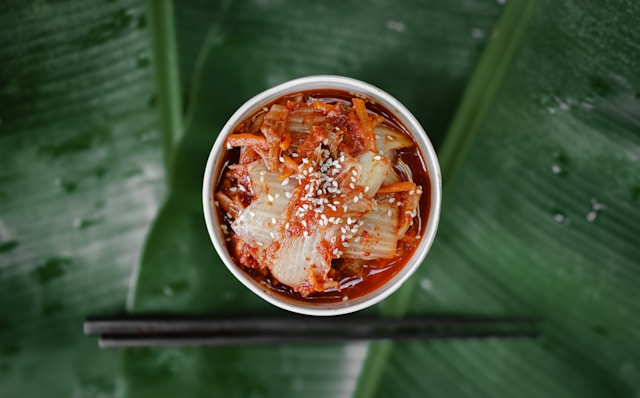
Kimchi is no longer merely the fiery little side dish quietly sitting beside your Korean BBQ. It has escaped the banchan plate, conquered brunch menus, invaded tacos, flirted with fried rice and generally behaved like it owns the planet.
From centuries-old Seoul institutions to modern Korean restaurants in New York, London, Toronto and Sydney, these are 20 of the best places around the world to experience kimchi—whether you like it crunchy, funky, sour, spicy, garlicky or fermented enough to make your eyebrows reconsider their life choices.
1. Gwanghwamun Jip — Seoul, South Korea
History: A cozy Seoul institution famous particularly for kimchi jjigae, with the city tourism guide highlighting its ripe-kimchi-and-pork-neck stew.
Founded: Historic operation; commonly associated with decades of Seoul dining
Address: 12 Saemunan-ro 5-gil, Jongno-gu, Seoul, South Korea
Kimchi Varieties Served: Ripe napa cabbage kimchi, jjigae kimchi
Fermentation Style: Long-ripened napa cabbage fermentation
Flavor Profile Notes: Sour, spicy, porky, deeply savory
Paired with: Pork neck, rice, rolled omelette
Cost for Two: Approximately ₩20,000–₩30,000
Gwanghwamun Jip is the kind of place where kimchi isn’t politely sitting on the sidelines—it has grabbed the steering wheel. Its intensely ripe kimchi transforms into a bubbling, pork-rich jjigae with the perfect sour-spicy punch. Add rice and egg roll, and you’ve got Seoul comfort food that feels wonderfully old-school, gloriously messy and completely uninterested in being trendy.
2. Myeongdong Kyoja — Seoul, South Korea
History: One of Seoul’s best-known noodle institutions, famous for kalguksu and its particularly punchy kimchi. Current listings note that the restaurant’s kimchi can be notably spicy.
Founded: 1966
Address: 129 Toegye-ro, Jung-gu, Seoul, South Korea
Kimchi Varieties Served: Napa cabbage kimchi, house spicy kimchi
Fermentation Style: Traditional vegetable lacto-fermentation
Flavor Profile Notes: Fiery, garlicky, salty, tangy
Paired with: Kalguksu, mandu
Cost for Two: Approximately ₩20,000–₩30,000
Myeongdong Kyoja is noodle royalty, but its kimchi deserves its own tiny crown. The house kimchi brings heat, garlic and fermentation swagger to bowls of silky kalguksu and plump mandu. It is not the shy sort of kimchi that waits patiently for attention. This one barges into the conversation, turns the volume up and orders another dumpling.
3. Tosokchon Samgyetang — Seoul, South Korea
History: A famous traditional samgyetang restaurant near Gyeongbokgung Palace, operating since 1983 and dedicated to preserving Korean culinary traditions.
Founded: 1983
Address: Near Gyeongbokgung Palace, Seoul, South Korea
Kimchi Varieties Served: Napa kimchi, radish kimchi
Fermentation Style: Traditional Korean lacto-fermentation
Flavor Profile Notes: Spicy, crisp, fermented, refreshing
Paired with: Ginseng chicken soup, rice
Cost for Two: Approximately ₩40,000–₩60,000
Instagram: @tosokchon
Website: Tosokchon Samgyetang
Tosokchon is famous for bubbling bowls of samgyetang, but the kimchi is the supporting actor who keeps stealing scenes. Sharp, spicy and refreshing, it cuts through the rich chicken broth beautifully. Eating here in a traditional hanok makes the whole experience feel wonderfully timeless. Basically, your soup gets a historical Korean sidekick—and nobody complains about that.
4. Hadongkwan — Seoul, South Korea
History: Founded in 1939, Hadongkwan is one of Seoul’s historic restaurants, best known for clear, deeply savory gomtang and traditional kkakdugi.
Founded: 1939
Address: 12 Myeongdong 9-gil, Jung-gu, Seoul, South Korea
Kimchi Varieties Served: Kkakdugi, traditional kimchi
Fermentation Style: Radish and cabbage lacto-fermentation
Flavor Profile Notes: Tangy, crunchy, savory, mildly spicy
Paired with: Gomtang, rice, brisket
Cost for Two: Approximately ₩25,000–₩35,000
Website: Hadongkwan
At Hadongkwan, kimchi plays the perfect counterpoint to delicate gomtang. The restaurant’s famous kkakdugi brings crunch, acidity and a gentle chili kick to a bowl built around clear beef broth. Founded before most modern Seoul landmarks existed, Hadongkwan delivers a delicious history lesson—one spoonful of soup, one crunchy radish cube and absolutely zero unnecessary culinary theatrics.
5. Samcheong-dong Sujebi — Seoul, South Korea
History: The restaurant began as a small snack shop in the 1980s and officially opened as a sujebi specialist in 1982.
Founded: 1982
Address: Samcheong-dong, Jongno-gu, Seoul, South Korea
Kimchi Varieties Served: Napa kimchi, seasonal banchan kimchi
Fermentation Style: Traditional vegetable fermentation
Flavor Profile Notes: Bright, spicy, sour, crunchy
Paired with: Handmade sujebi, potato pancake
Cost for Two: Approximately ₩25,000–₩35,000
Samcheong-dong Sujebi specializes in humble handmade dough soup, and its kimchi is exactly the sort of companion humble dishes need: lively, crunchy and unapologetically fermented. After wandering around picturesque Samcheong-dong, this is comfort food with sleeves rolled up. The kimchi adds acidity and spice to the soft, savory sujebi, creating the culinary equivalent of a warm hug.
6. Hwangsaengga Kalguksu — Seoul, South Korea
History: Formerly known as Bukchon Kalguksu, this popular restaurant near Gyeongbokgung specializes in knife-cut noodles, dumplings and traditional Korean comfort food.
Founded: Historic Bukchon operation
Address: 78 Bukchon-ro 5-gil, Jongno-gu, Seoul, South Korea
Kimchi Varieties Served: Napa kimchi, spicy house kimchi
Fermentation Style: Traditional Korean fermentation
Flavor Profile Notes: Tangy, spicy, garlicky
Paired with: Kalguksu, mandu, beef broth
Cost for Two: Approximately ₩25,000–₩35,000
Hwangsaengga Kalguksu understands an important noodle law: every bowl deserves kimchi. The restaurant’s handmade noodles and beef-broth dumplings are comforting, hearty and almost suspiciously good at disappearing. The fermented kimchi provides the necessary spicy-tangy contrast, waking up the broth and keeping every bite interesting. Come hungry, because leaving leftovers here would be emotionally irresponsible.
7. Eunjujeong — Seoul, South Korea
History: A beloved Euljiro-area destination associated with traditional kimchi jjigae and generous pork portions. Seoul food guides highlight its distinctive combination of stew, pork and fresh wrapping greens.
Founded: Long-running Euljiro institution
Address: Bangsan Market area, Euljiro 4-ga, Seoul, South Korea
Kimchi Varieties Served: Napa kimchi, aged kimchi for jjigae
Fermentation Style: Matured cabbage fermentation
Flavor Profile Notes: Sour, porky, spicy, rich
Paired with: Pork, tofu, lettuce and perilla leaves
Cost for Two: Approximately ₩30,000–₩40,000
Eunjujeong turns kimchi jjigae into a full-contact sport. Rich fermented kimchi, pork and tofu arrive bubbling hot, while fresh greens provide the wrapping equipment. The result is spicy, tangy and wonderfully rustic. It is the kind of meal where conversation gradually stops because everyone is too busy constructing the perfect bite. Seoul has many stews; this one means business.
8. Mugyo-dong Bugeo-guk — Seoul, South Korea
History: Serving dried-pollack soup since 1968, this Seoul institution is known for its light, nutty broth and traditional accompaniments.
Founded: 1968
Address: 38 Eulji-ro 1-gil, Jung-gu, Seoul, South Korea
Kimchi Varieties Served: Mak kimchi, radish kimchi
Fermentation Style: Traditional Korean fermentation
Flavor Profile Notes: Tart, spicy, crisp, refreshing
Paired with: Bugeo-guk, rice
Cost for Two: Approximately ₩20,000–₩25,000
Mugyo-dong Bugeo-guk is proof that kimchi doesn’t need a heavy dish to shine. Its crisp fermented accompaniments bring acidity and spice to delicate dried-pollack soup, creating a breakfast-worthy combination that somehow feels both restorative and addictive. The restaurant has been serving its famous soup since 1968, so clearly somebody figured out this pairing quite a while ago.
9. Mingles — Seoul, South Korea
History: Chef Mingoo Kang opened Mingles in 2014, developing contemporary Korean cuisine around traditional techniques, seasonal ingredients and fermentation. It currently holds three Michelin stars.
Founded: 2014
Address: 2F, 19 Dosan-daero 67-gil, Gangnam-gu, Seoul, South Korea
Kimchi Varieties Served: Contemporary seasonal kimchi preparations
Fermentation Style: Traditional fermentation with modern interpretation
Flavor Profile Notes: Layered, elegant, umami-rich, acidic
Paired with: Contemporary Korean tasting courses
Cost for Two: Approximately ₩500,000–₩800,000+
Website: Mingles
Mingles treats fermentation like serious culinary architecture. Here, kimchi can move beyond the familiar side dish and become part of a carefully composed contemporary Korean experience. Chef Mingoo Kang’s kitchen celebrates seasonal ingredients and Korea’s fermentation traditions without turning them into museum pieces. Expect subtle acidity, deep umami and beautifully controlled funk—kimchi wearing a very expensive dinner jacket.
10. Parc — Seoul, South Korea
History: A modern Korean dining destination in Hangangjin known for home-style Korean dishes and banchan-driven meals.
Founded: 2012
Address: Hangangjin, Yongsan-gu, Seoul, South Korea
Kimchi Varieties Served: Napa kimchi, seasonal vegetable kimchi
Fermentation Style: Traditional small-batch fermentation
Flavor Profile Notes: Fresh, gently sour, savory, balanced
Paired with: Korean set meals, rice, grilled dishes
Cost for Two: Approximately ₩50,000–₩80,000
Parc is for diners who believe Korean food should taste like someone genuinely cared while making it. Its banchan selection gives kimchi plenty of room to shine, balancing fresh vegetables, rice and savory mains. Rather than attacking your palate with maximum heat, the kimchi leans toward elegant acidity and fermentation. It is Korea’s home-cooking philosophy with excellent restaurant manners.
11. Park’s BBQ — Los Angeles, USA
History: Park’s BBQ has served premium Korean barbecue since 2003 and is a major fixture of Los Angeles’ Koreatown dining scene.
Founded: 2003
Address: 955 S. Vermont Ave., Los Angeles, CA 90006, USA
Kimchi Varieties Served: Napa kimchi, radish kimchi, seasonal banchan
Fermentation Style: Traditional Korean fermentation
Flavor Profile Notes: Spicy, garlicky, tangy, crisp
Paired with: Galbi, bulgogi, premium beef
Cost for Two: Approximately US$100–$180
Website: Park’s BBQ
Park’s BBQ takes Korean barbecue seriously, and thankfully, it doesn’t forget the kimchi. The fermented sides provide essential acidity against rich USDA Prime and Kobe-style beef, keeping each grilled bite from becoming too decadent. Founded in 2003, Park’s has become a Los Angeles institution where smoky meat, fiery kimchi and table-side grilling form a very persuasive argument for skipping salad forever.
12. Chosun Galbee — Los Angeles, USA
History: A longstanding Los Angeles Korean restaurant renowned for traditional barbecue, polished service and extensive banchan. Michelin highlights its large variety of Korean side dishes.
Founded: 1980
Address: 3330 W. Olympic Blvd., Los Angeles, CA 90019, USA
Kimchi Varieties Served: Napa kimchi, kkakdugi and seasonal banchan
Fermentation Style: Traditional Korean fermentation
Flavor Profile Notes: Balanced, spicy, sour, savory
Paired with: Galbi, bulgogi, rice
Cost for Two: Approximately US$100–$180
Chosun Galbee brings a more polished version of Korean barbecue to Los Angeles, but kimchi still knows how to loosen the tie. Its banchan selection supplies spicy, sour and fermented counterpoints to beautifully grilled meats. Think of the kimchi as palate maintenance: crunchy, acidic and wonderfully efficient at preparing you for another bite of galbi. Repeat until financially exhausted.
13. BCD Tofu House — Los Angeles, USA
History: Founded by Hee Sook Lee, BCD began in Los Angeles’ Koreatown in 1996 and grew into a multi-location Korean restaurant group.
Founded: 1996
Address: Multiple locations; original Koreatown operation in Los Angeles
Kimchi Varieties Served: Napa kimchi, radish kimchi, kimchi accompaniments
Fermentation Style: Traditional Korean vegetable fermentation
Flavor Profile Notes: Spicy, garlicky, tangy, robust
Paired with: Soon tofu, galbi, bibimbap
Cost for Two: Approximately US$45–$70
Instagram: @bcdtofuhouse
Website: BCD Tofu House
BCD Tofu House built its reputation around bubbling soon tofu, but kimchi is essential to the experience. The spicy fermented side cuts through rich tofu soups, grilled meats and steaming rice with admirable enthusiasm. Beginning with one Koreatown location in 1996, BCD grew into a recognizable Korean dining name while keeping classic flavors at the center of its menu.
14. Jongro BBQ — New York City, USA
History: Jongro BBQ opened its first American location in New York’s Koreatown in 2015, bringing Korean barbecue traditions and vintage Seoul-inspired atmosphere to Manhattan.
Founded: 2015 in the USA
Address: 22 W 32nd St., 2nd Floor, New York, NY 10001
Kimchi Varieties Served: Napa kimchi, banchan kimchi
Fermentation Style: Traditional Korean fermentation
Flavor Profile Notes: Spicy, crunchy, sour, savory
Paired with: Beef platter, pork belly, grilled meats
Cost for Two: Approximately US$100–$180
Instagram: @jongrobbq_nyc
Website: Jongro BBQ
Jongro BBQ recreates a lively Korean barbecue experience in the middle of Manhattan, complete with smoky grills and generous banchan. Kimchi is particularly useful here, because grilled beef and pork can become wonderfully rich. One crunchy, spicy bite resets the palate and sends you straight back toward the grill. Founded in America in 2015, Jongro knows the assignment.
15. Cho Dang Gol — New York City, USA
History: Cho Dang Gol has served homemade tofu-focused Korean food in New York since 1997 and is known for making tofu fresh each morning.
Founded: 1997
Address: 55 W 35th St., New York, NY 10001
Kimchi Varieties Served: Napa kimchi, kimchi tofu stew
Fermentation Style: Traditional cabbage fermentation
Flavor Profile Notes: Tangy, spicy, rich, savory
Paired with: Homemade tofu, kimchi tofu stew, rice
Cost for Two: Approximately US$50–$80
Instagram: @chodanggol
Website: Cho Dang Gol
Cho Dang Gol is a tofu lover’s paradise where kimchi gets to behave badly—in the best possible way. Its kimchi tofu stew combines fermented cabbage, silky homemade tofu and a deeply savory broth. The restaurant makes tofu fresh each morning, so you get a beautiful textural contrast: soft tofu, lively kimchi and broth with enough personality to demand attention.
16. Kimchee — London, UK
History: Kimchee is a contemporary Korean restaurant in King’s Cross focused on authentic Korean flavors, open-plan cooking and charcoal barbecue.
Founded: 2011-era London operation
Address: 2 Pancras Square, King’s Cross, London N1C 4AG, UK
Kimchi Varieties Served: Napa kimchi, kimchi-based dishes, seasonal banchan
Fermentation Style: Traditional Korean fermentation
Flavor Profile Notes: Spicy, sour, garlicky, savory
Paired with: Korean BBQ, rice, noodles, hot pot
Cost for Two: Approximately £60–£90
Website: Kimchee London
Kimchee in King’s Cross makes Korean food feel right at home in London. Its menu features plenty of dishes where fermented cabbage joins meats, noodles and hot pots, while downstairs grills turn dinner into a social event. The kimchi delivers familiar Korean heat and acidity, making it particularly useful alongside smoky barbecue. London gets a little more fermented with every bite.
17. Jinjuu — London, UK
History: Created by chef Judy Joo, Jinjuu brought modern Korean street-food influences to London’s Soho, combining traditional flavors with contemporary dishes. The Soho location has since closed, so this is a historical entry rather than a current recommendation.
Founded: 2014
Address: Formerly 15 Kingly Street, Soho, London W1B 5PS
Kimchi Varieties Served: Napa kimchi, kimchi rice, kimchi arancini
Fermentation Style: Korean-style fermentation with modern applications
Flavor Profile Notes: Spicy, tangy, punchy, playful
Paired with: Korean fried chicken, tacos, rice dishes
Cost for Two: Historically approximately £50–£80
Instagram: @jinjuusoho
Website: Jinjuu
Jinjuu deserves a place on the list for showing London how playful kimchi could become. Its menu once pushed fermented cabbage into dishes such as kimchi arancini and kimchi rice while keeping Korean flavors recognizable. The Soho restaurant has now closed, but its influence remains part of London’s modern Korean-food story—a delicious reminder that kimchi has always enjoyed breaking rules.
18. Kimchi Korea House — Toronto, Canada
History: Michelle opened Kimchi Korea House in downtown Toronto in September 2012, drawing on recipes and kimchi-making traditions learned from her mother in Sunchang, South Korea.
Founded: 2012
Address: 149 Dundas St. W., Toronto, ON M5G 1C5, Canada
Kimchi Varieties Served: Mama Lee’s napa kimchi, radish kimchi, kimchi stew
Fermentation Style: Traditional family-style fermentation
Flavor Profile Notes: Fresh, spicy, sour, deeply savory
Paired with: Bulgogi, bibimbap, seafood pancake, stews
Cost for Two: Approximately C$55–$80
Instagram: @kimchikoreahouse
Website: Kimchi Korea House
Kimchi Korea House takes its name very seriously—and fortunately, the food backs it up. Michelle learned kimchi-making from her mother in South Korea before opening the Toronto restaurant in 2012. Her fresh kimchi brings homemade character to comforting Korean classics, from bibimbap to stews. This is the kind of place where fermentation tastes personal, not industrial.
19. Wang Dae Bak BBQ — Singapore
History: Wang Dae Bak says it was founded in 2011 and has become one of Singapore’s best-known Korean barbecue restaurants.
Founded: 2011
Address: 22 Cross Street, #01-64, Singapore 048421
Kimchi Varieties Served: Napa kimchi, radish kimchi, kimchi pancake
Fermentation Style: Traditional Korean fermentation
Flavor Profile Notes: Spicy, sour, crunchy, smoky-friendly
Paired with: Charcoal BBQ, pancakes, hot soups, rice
Cost for Two: Approximately S$70–S$120
Instagram: @wangdaebakkbbq
Website: Wang Dae Bak BBQ
Wang Dae Bak is where Singapore’s appetite for Korean barbecue meets the essential fermented sidekick. Smoky charcoal-grilled meat gets an instant lift from crisp, spicy kimchi, while soups and hot-stone bibimbap make excellent supporting acts. Founded in 2011, the restaurant has built its reputation around Korean BBQ, quality and value. Bring friends, because sharing is practically mandatory.
20. SOUL Dining — Sydney, Australia
History: Daero Lee and Illa Kim opened SOUL Dining in Surry Hills in 2018, creating contemporary Korean cuisine influenced by Korean, European and Australian cooking.
Founded: 2018
Address: 204 Devonshire St., Surry Hills, NSW 2010, Australia
Kimchi Varieties Served: Contemporary kimchi preparations, seasonal fermented vegetables
Fermentation Style: Korean fermentation with contemporary interpretation
Flavor Profile Notes: Complex, bright, savory, gently funky
Paired with: Contemporary Korean tasting dishes, Australian produce
Cost for Two: Approximately A$180–A$320
Instagram: @souldining
Website: SOUL Dining
SOUL Dining proves kimchi can dress up without losing its Korean soul. Chef Daero Lee and Illa Kim combine Korean traditions with Australian produce and contemporary techniques, creating a more refined fermentation experience. Kimchi and fermented vegetables add acidity, depth and memory to sophisticated plates. It is Korean food with Sydney sunshine, chef’s-hat polish and absolutely no shortage of personality.
Final Bite: Where Should You Eat Kimchi First?
If you’re chasing old-school Korean kimchi, start in Seoul, especially at Gwanghwamun Jip, Myeongdong Kyoja, Hadongkwan or Tosokchon.
For Korean barbecue + kimchi, Los Angeles and New York are formidable contenders. Park’s BBQ, Chosun Galbee and Jongro BBQ make a strong case for the timeless combination of grilled meat, fermented cabbage and questionable restraint.
For modern interpretations, Mingles and SOUL Dining show how fermentation can move into sophisticated contemporary cuisine without losing its Korean identity.
And if you’re simply looking for a restaurant that puts kimchi front and center, Kimchi Korea House in Toronto might have the most appropriately named address on this entire list.
Because ultimately, kimchi isn’t just a side dish. It is crunch, acidity, spice, umami, history and controlled fermentation in one gloriously red package.